Tag: AI
-
Employee avoiding AI, doing manual work instead
A new global survey of 3,750 executives and employees across 14 countries, conducted by SAP subsidiary WalkMe for its fifth annual State of Digital Adoption report, finds that more 54% of workers bypassed their company’s AI tools in the past 30 days and completed the work manually instead. Another 33% haven’t used AI at all.…
-
AI won’t fix your broken culture
Expecting AI to improve dysfunctional parts of your business probably won’t go well: The strongest candidates are workflows that repeat at meaningful scale, have clear ownership, and can be measured for quality, risk, and business value. 🔗 How to manage AI investments in the agentic era
-
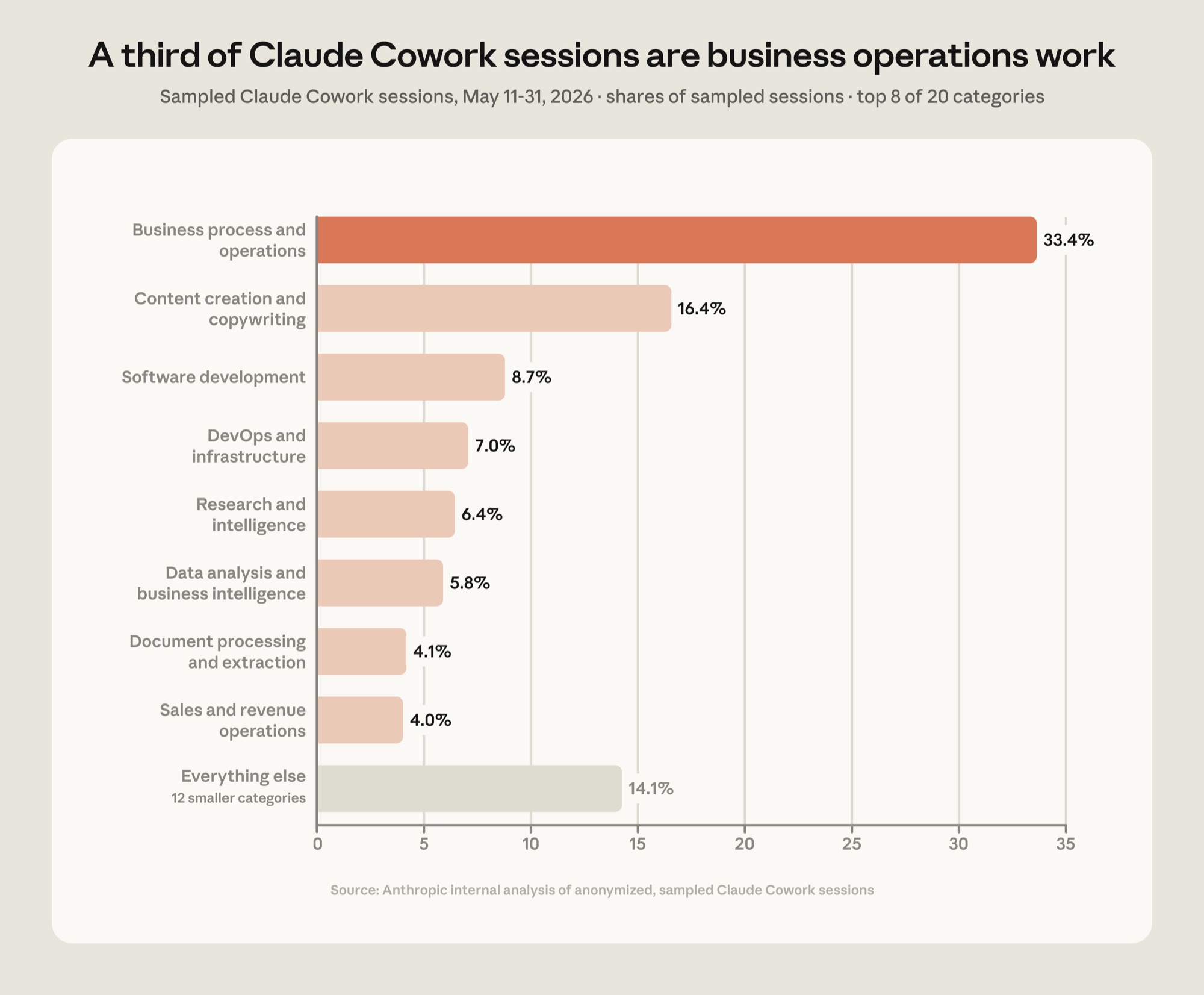
Normie AI Usage: Figures & Findings
Programmers are still the dominant users of UI and, thus, drive AI use cases. The much larger market are “normies,” people outside of the IT department who are doing “knowledge work” and other tasks in organizations. I asked the AI to pull together a list of what those activities are and the momentum around them.…
-
Harness engineering is the new DevOps
Are we going to see harness engineering teams? Yes: these are already emerging. It’s too early to say, but that feels wrong in the same way that DevOps teams were a misunderstanding of DevOps-the-movement. My belief is that while there is friction in having every team create their own harness, that friction is generative and…
-
training your replacement
Yes: the work is moving from writing code to specifying, verifying, and curating knowledge. But: the code is the better spec. Their point: code is the only artifact that’s unambiguous, executable, and – this is the big one – deterministic. A prose spec is fuzzy and an agent will interpret it a little differently every…
-
How NatWest is using AI
The NatWest CIO goes over how they’re using AI with some use cases. Some: “Today at NatWest, over 40% of all code is either AI-generated or AI-assisted.” AI use: “If you’re a relationship manager, if you’re a branch manager, or you’re sitting as a teller in the branch, whatever that role is, you’ve got better…
-
Reducing token usage
Better Defaults (not Usage Caps) — Engineers can choose any model they want, but defaults matter. We’re experimenting with defaulting to open weight models like GLM 5.2 and Kimi 2.7 through our LLM gateway, while still encouraging engineers to choose the right model for the task. 91% of our employees were never hitting their usage…
-
“this is the voice of American business that is being channeled through me”
“Livid” was the word he used to describe enterprise customers who are “paying for tokens that create no value,” while handing over their data to the major firms and, in the end, taxing the public who will end up paying for it in some form. The reason, he ventured, was the “models have completely… irresponsibly…
-
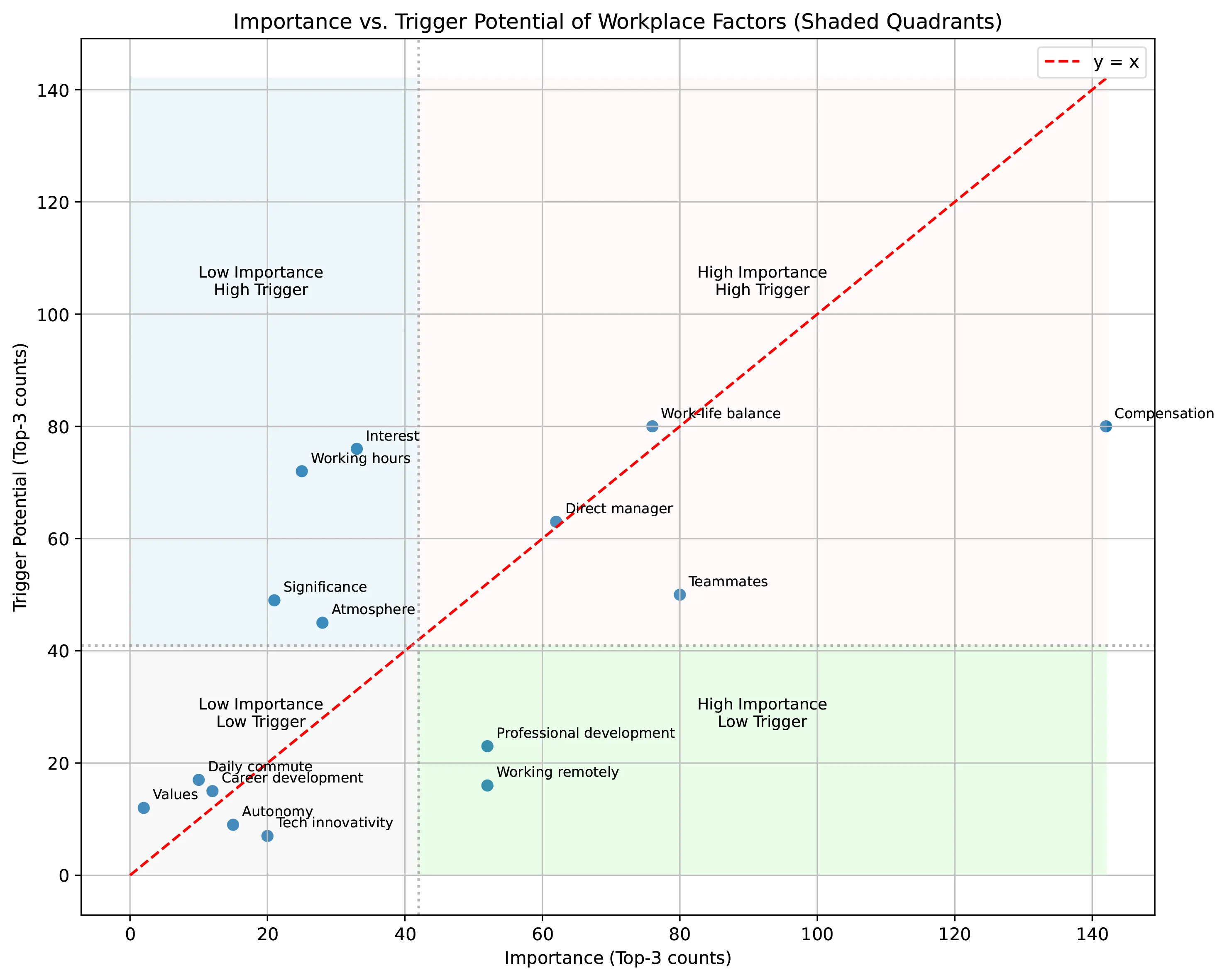
🤖 Findings and CIO Retention Guide: Gender, Priorities, and Exit Triggers in High Tech
Original: Beyond the Pipeline: A Gender Lens on Priorities and Exit Triggers in the High-Tech Industry by researchers at The Academic College of Tel Aviv-Yaffo, Communications of the ACM. Summarized by Claude AI on July 2, 2026. The Findings Men are far more committed to staying. 44.9% of men selected “no intentions to leave” vs.…
-

Enterprise AI Gets Uber-ed, Smaller Models Cut Energy 90%, and Stop Building Innovation Labs – Related to your interests, Wednesday
Also: Target’s RAG pipeline, the 13-person B2B buying group, Uber on AI dev productivity, and prompt injection as role confusion. ICYMI Original content published since last time. War for Talent – Software Defined Talk #578 – “This week, we discuss Fable follow-up, Gartner’s AI Governance MQ, and the war for AI talent. Plus, Matt and…
-
Cloud CISO Perspectives: How Google Cloud Security uses AI internally
How Google Cloud’s security organisation uses AI internally, following its AI Threat Defense announcement, working toward autonomous software development lifecycle security. Summarized by AI. 🔗 Cloud CISO Perspectives: How Google Cloud Security uses AI internally
You must be logged in to post a comment.