
While Finland and Sweden consistently rank at the top of the happiness league table, for example, both countries have also persistently experienced some of the highest suicide rates in the European Union, ranking in the top five EU countries according to one recent statistic.
Currently not available in Europe.

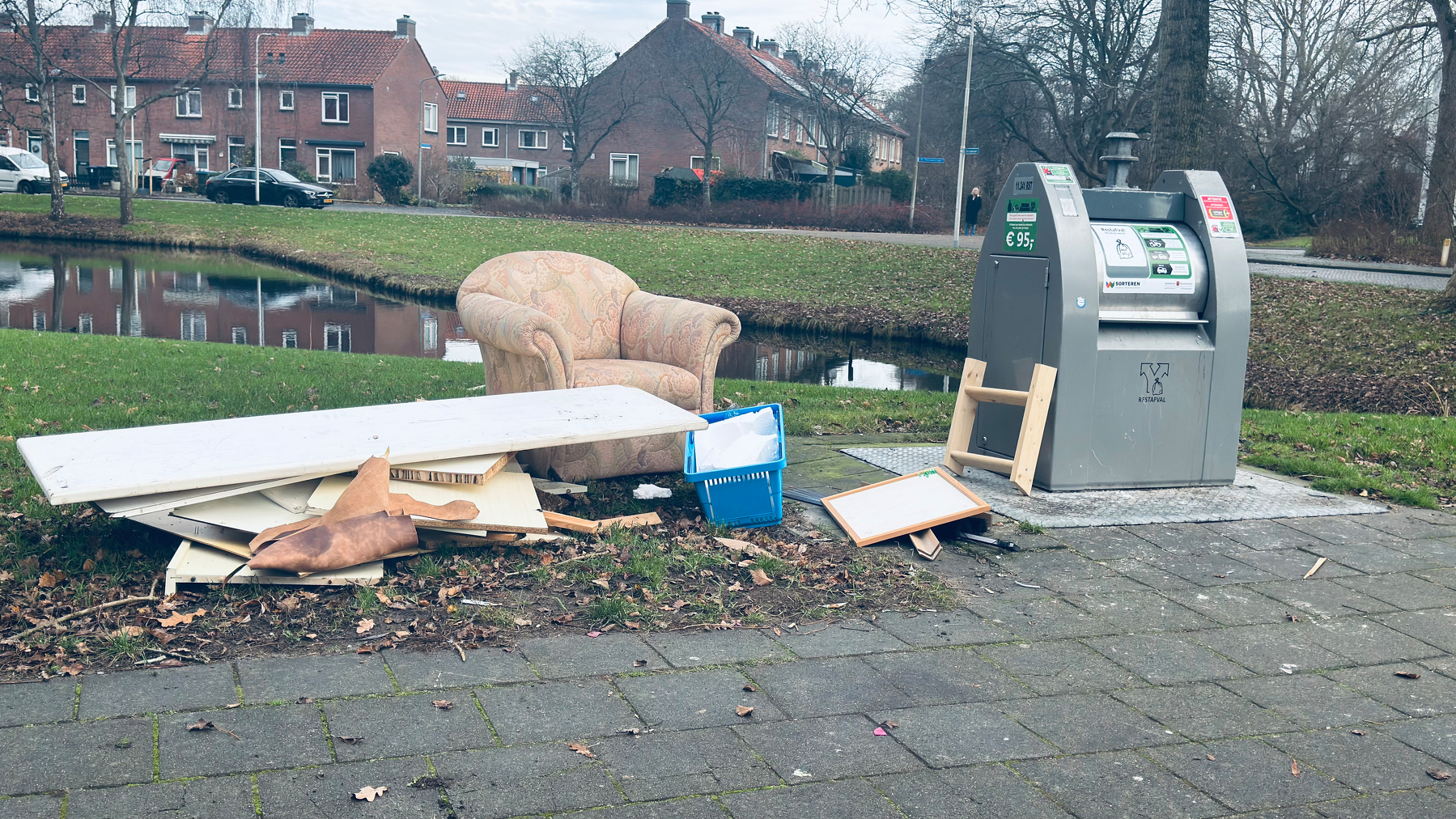
Garbage Chairs of Amsterdam. Amstelveen edition.
Platform Plumbing, AI Ads That Work (But People Hate), and D&D Characters Drawn by Robots
Original ContentOn this week’s Tanzu Catsup, We spend an excruciating amount of time talking about how platform engineers add new services/middleware/whatever to internal developer platforms. It’s great if that’s relative to your interests. My next self-challenge is add a simple service to Cloud Foundry.
An Australian Documentary - Software Defined Talk this week: “This week, we discuss Oracle’s AI vibes, Chainguard’s EmeritOSS, and GitHub’s pricing U-turn. Plus, a robust robot vacuum debate.
I think this is could be my forever meme guy. From Nano Banana…after a lot of banana peeling by human.

“Mad Max, an Australian documentary.” Matt.
“It’s a birth scene, not a boss scene.” ChatGPT 5.2 analyzes The Spider-God’s Bride.
Weird-ass sounds from Russell's Dig
Also, see parts two, three, and four.
”We want adult tension. The tension of brains. If anyone sees sex, that’s on them. We’re not responsible for the public’s imagination. We’re responsible for moving units in Woolworths.”
Should you use AI for Knowledge Work? A decision framework.
Pro-AI: This is work I need to do but don’t want to. Anti-AI: This is work I enjoy doing.