Tag: studies
-

How people use AI in 2026: TV, homework, the DMV
Google looked at 15 million Gemini conversations and found people mostly asking about TV, homework, and government paperwork. Work is 13.5% of it, and almost none of that is trying to automate anything. Also: what the study leaves out, which is most of enterprise AI.
-

Relative to your interests, Wednesday
After reading many of the below and other links in elusive enterprise AI ROI, I wrote this theory on how to be successful with enterprise AI projects. It’s the usual “culture” cliché, but hopefully a little more practical than usual. Are PMs becoming irrelevant? – Once you remove the need for a bunch of “paperwork,”…
-

Relative to your interests, Tuesday
I have been on vacation for a little while, in Finland for the third time. Finland feels different than the other parts of Europe I have been to. Perhaps it’s because I spent my time there in rural Finland. But it also feels like most of Finland is rural. In that way, it feels a…
-
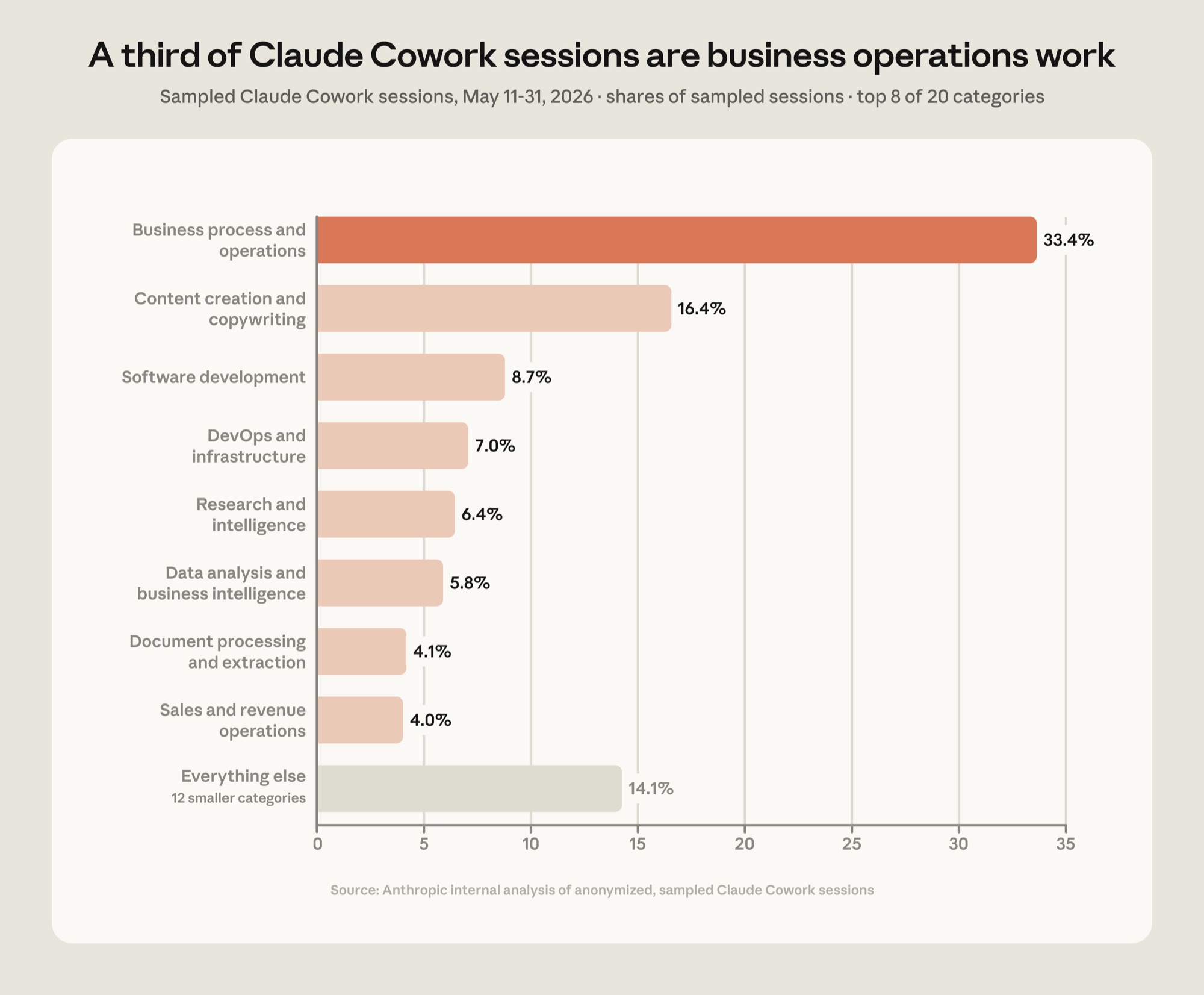
Normie AI Usage: Figures & Findings
Programmers are still the dominant users of UI and, thus, drive AI use cases. The much larger market are “normies,” people outside of the IT department who are doing “knowledge work” and other tasks in organizations. I asked the AI to pull together a list of what those activities are and the momentum around them.…
-
🤖 Ten do’s and don’ts for LinkedIn posts, according to actual research, based on pre-slop posts
Summarized by AI, July 2, 2026. Original” What Users Post and Engage With on LinkedIn: A Mixed Methods Study Most LinkedIn advice comes from people whose job is giving LinkedIn advice, which should make you suspicious. So here’s something rarer: an actual peer-reviewed study of 1,001 individual users’ posts, coded by topic and compared on…
You must be logged in to post a comment.