Tag: history
-
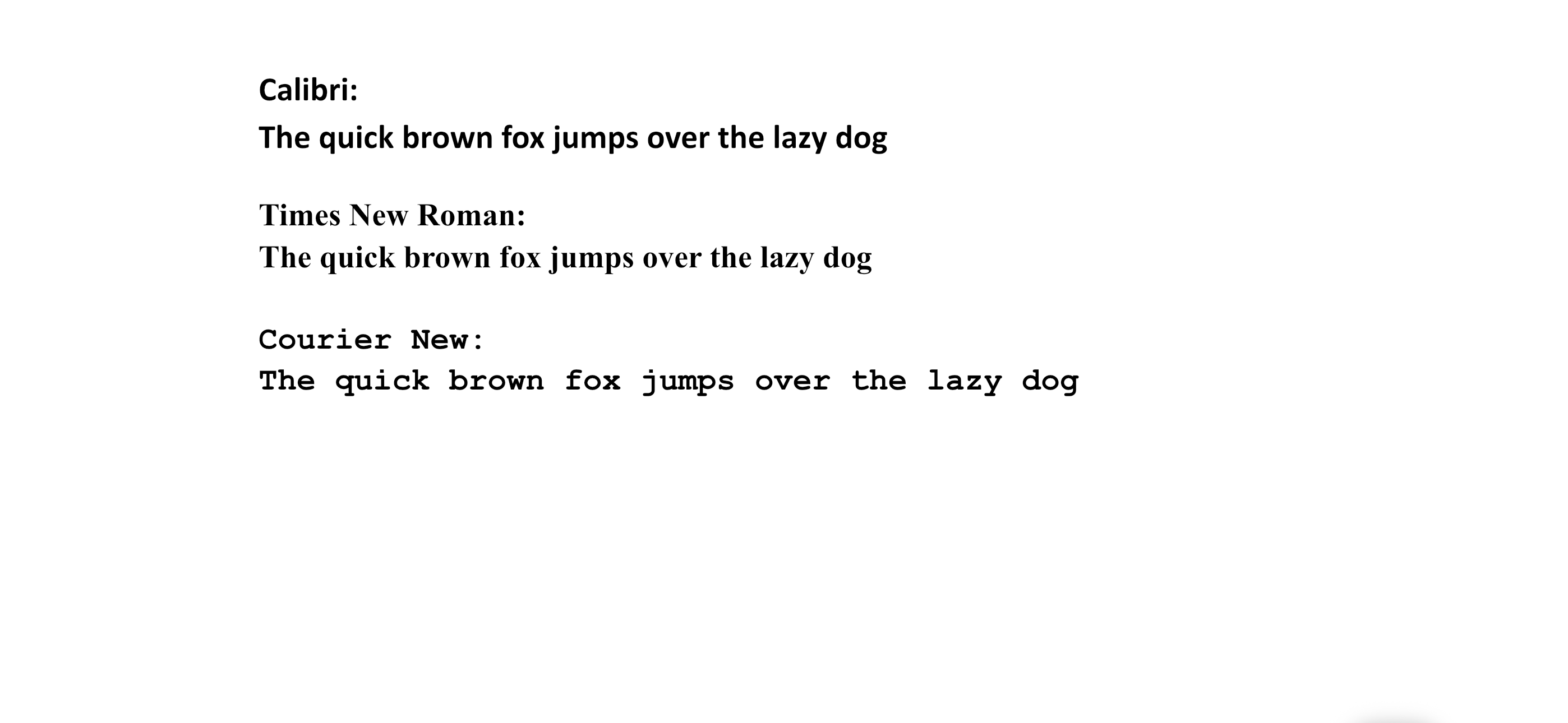
Woke fonts. I wasn’t sure what size they used for Courier New.1 How I long for the all business, utilitarian thrill of Courier New… It was a simpler time. From the original memo, it looks like 12 point? ↩
-

The robot says: Underwood was the typewriter brand for much of the early 20th century. Hemingway, Stein, and most journalists of the period used machines that looked basically like this. By 1939 they had produced their five-millionth unit, which was unheard of at the time. And: These machines were tanks. Everything is metal, everything is…
-
“While the JavaScript language didn’t ship publicly until that September and didn’t reach a 1.0 release until March 1996, the descendants of Eich’s initial 10-day hack now run on approximately 98.9 percent of all websites with client-side code, making JavaScript the dominant programming language of the web. It’s wildly popular; beyond the browser, JavaScript powers…
-
”Trente Glorieuses” Trente Glorieuses
-
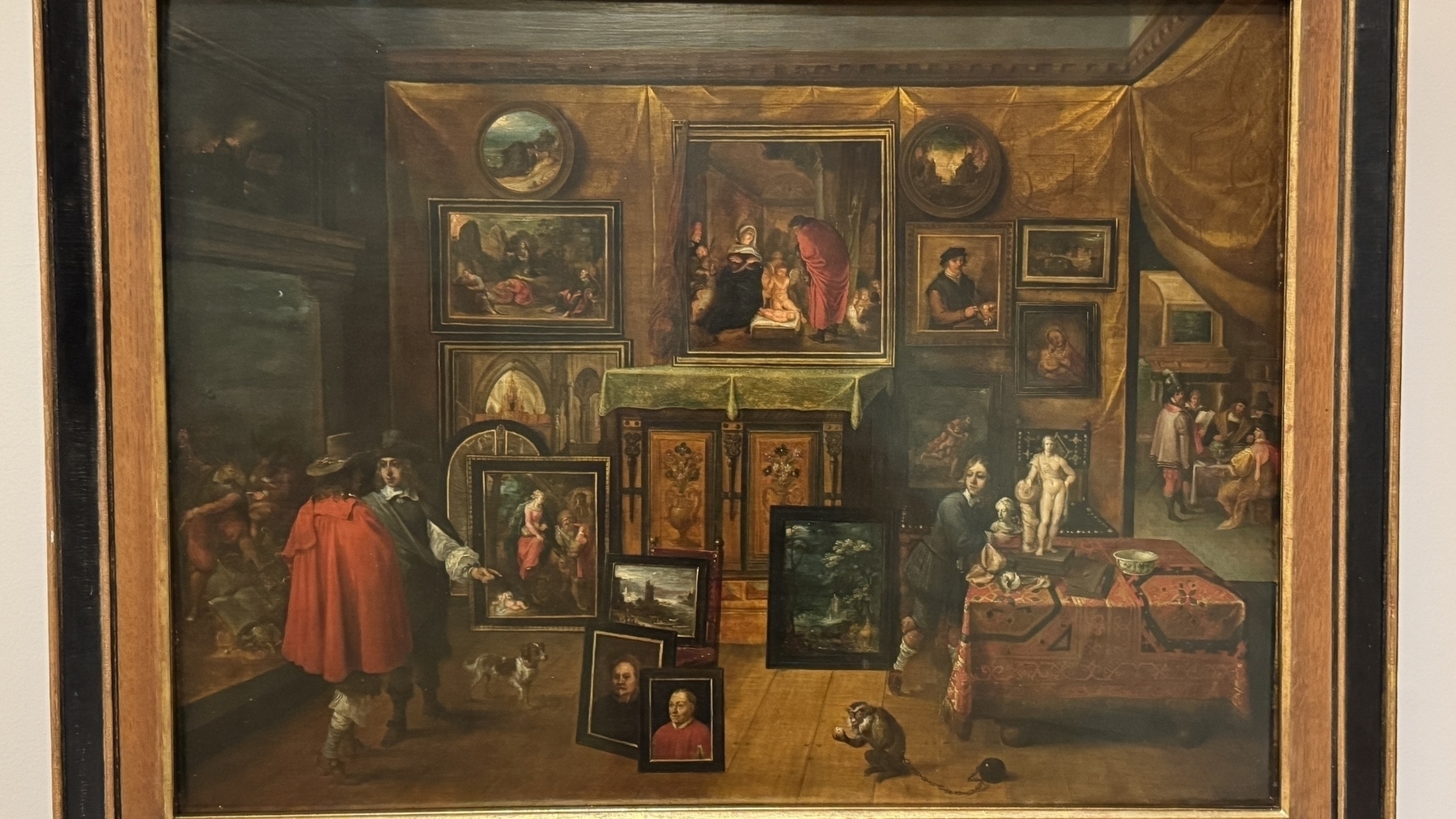
Frans Francken the Younger (1581-1642) and David Teniers the Younger (1610-1690) The Interior of a Picture Gallery Around 1640
-
How the Sun Microsystems acquisition made Oracle the cloud company it is today
-
Training for Legacy – Press Pass
Training for Legacy – Press Pass Elisabeth Greenbaum Kasson asked me recently for advice on working with legacy applications. Check out her piece on it. Here’s the full reply I sent to her in email: Her topics: – The steps someone could take to get themselves up to speed on their employer’s legacy software. –…
-
The forgotten war on the Walkman – The new thing is always going to destroy civilization, or at least proper behavior.
-
news that stays news – What’s old to you is completely new to younger people, no matter how old the text is: “One of the things that’s great about being the kind of teacher I am is that you spend your life introducing new people to old things: when my students fall in love with…
-
This 7,000-year-old mummy DNA has revealed a ‘ghost’ branch of humanity – A lost genetic line.
-
Why Are All the Smart People So Bad at History? – “The structure of rationalist and technocratic thinking incentivizes a flattened historical consciousness. They favor systems over stories. They trust models over memories. They crave optimization, not interpretation.”
-
The Secret History of the Manicule – The Little Hand that’s Everywhere.
-
The Hobby’s Cult of Personality – Recap of the problematic stuff in the history of RPGs.
-
Why Skyscrapers Became Glass Boxes – by Brian Potter – ”Ultimately, it was economics (or at least perceived economics) that drove developers to embrace this style. Glass curtain wall buildings were cheaper to erect than their masonry predecessors, and they allowed developers to squeeze more rentable space from the same building footprint. Ornate, detailed exteriors…
-
“How you like them apples?”
The phrase “How do you like them apples?” (or “How you like them apples?”) likely originates from American slang in the early 20th century, though its exact origin is debated. It generally conveys a sense of triumph, challenge, or one-upmanship. Possible Origins: World War I Artillery Slang (1910s) – British and American soldiers referred to…


You must be logged in to post a comment.