
Posts in "tech"

Kubernetes is the bottleneck, and you can get through it with a platform

Photo by Daniel Bryant. Another great KubeCon talk from Abby Bangser imploring the Kubernetes people to remember how important platforms are: they make all of his stuff usable for developers and valuable to the organizations that run it all. Without a platform, you’re just put another bottleneck in place. Also, see the go she started, along with others, at codifying what makes a good platform, at a technical level, here.

VMware/Broadcom at KubeCon EU 2026

Here’s Claude’s take on VMware’s stuff at KubeCon - just some light editing for me. KubeCon + CloudNativeCon Europe 2026 ran March 23-26 in Amsterdam. Here’s what VMware by Broadcom announced. VKS 3.6 Ships The VKS stack as seen at VMUG Connect Amsterdam 2026. VMware vSphere Kubernetes Service 3.6 shipped with Kubernetes 1.35 support, RHEL 9 compatibility, declarative performance tuning, and improved upgrade safety targeting enterprise platform teams. The day-two operations framing is the key story - VKS 3.

The end of the meat-mouse

The agency in agentic AI feels a lot more like giving the users - the humans - agency they didn’t have. That’s what’s making it useful for me, from sorting out dumb-shit home-networking incompatibilities, figuring out taxes, and otherwise sorting my shit out. When you unleash something like Claude code on all the messy and neglected rooms in your life, you start to clean-up and pay attention more. There’s a very bottoms-up thing here.

Using AI to help with SRE, ops, etc.:

The problem, he said, is that Claude “will get wrong correlation versus causation.” It’s like a new joiner on the team, they will think “oh, it’s a capacity problem, when actually you lost your cache.” “This is why we can’t trust LLMs for incident response,” said Palcuie. The problem is its inability to “step back and start discerning between causation and correlation… For us humans, it is hard as well.”

And:

The Jevons Paradox, said Palcuie, is “the favorite paradox in the AI industry. It’s when technological improvements increase the efficiency of our resources used, but the resulting lower cost causes consumption to rise rather than fall.”

In the case of software, “it’s easier to write software, so we write much more of it, so the complexity goes up and not down, which means things break in more interesting ways, which means more incidents, more on call… all the improvements in the tooling will be cancelled by this ever-growing complexity.”

From: Fixing Claude with Claude: Anthropic reports on AI site reliability engineering

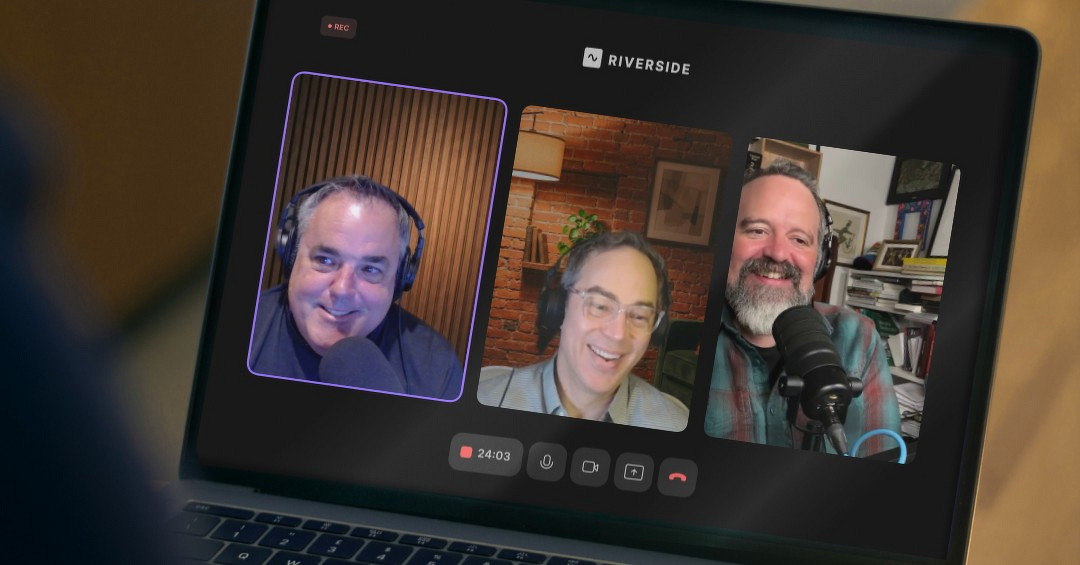
Art Degrees, Sun Microsystems, and How Kubernetes Scales Contributions, with Josh Berkus - Software Defined Interviews #121

Our interview for this week is up, it’s with Josh Berkus: Whitney and Coté discuss with Josh Berkus (Red Hat, Kubernetes contributor) how liberal and fine arts degrees (philosophy, photography, sculpture, pottery) apply to tech careers. Berkus details how early hardware experience influenced his database performance work, noting hardware’s renewed relevance with AI and multi-arch computing. The conversation covers Sun Microsystems’ 1990s internet role, internal politics, and its MySQL/Postgres strategy.

Developers crave AI tools for various tasks beyond coding, but that’s only about 20% of their work. But, ops people freak out about security and control challenges, like cost, regulatory compliance, and usage tracking.

Why it's great to be a Spring developer now, and how to make it even better - State of Spring, 2026

This is a talk I give at the start of Spring workshops we do. Here is the recording. The point is to show people that being a Java and Spring developers is fantastic right now. Here’s the description: Spring developers are in a strange position in 2026: everything is changing: AI, platform engineering, enterprise architecture. And yet Spring keeps getting stronger. In this talk, Coté walks through why this is actually a great moment to be a Spring developer, especially in large organizations.