
In this episode, Whitney and I talked with Emily Long, CEO and co-founder of Edera about their hardened container runtime - the kind you can swap in without re-platforming or kicking off yet another zero-trust migration. The pitch is basically: stop chasing detect-and-respond alerts and just fix the foundation.
We also got into the messy reality of going from COO to CEO (the COO title is, it turns out, kind of made up) and what it’s like raising a deep-tech Series A as an all-woman founding team - the downside-vs.
Posts in "podcasts"
Podcasts I do or are involved in, mostly.
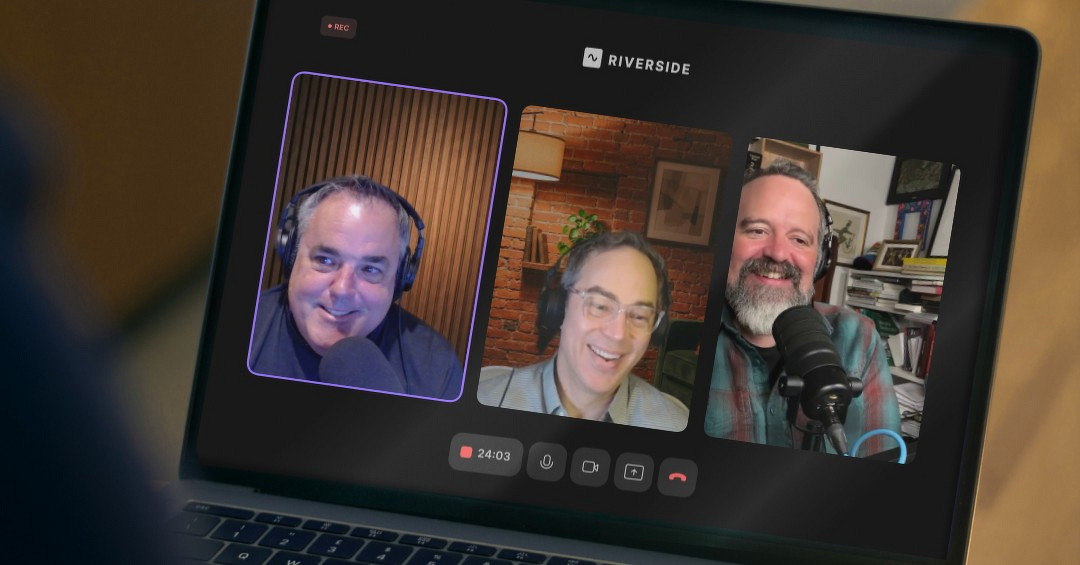
If you can’t wait until Friday for the perfectly edited and polished Software Defined Talk podcast episode, you can watch the unedited, full recoding - in glorious color video - in the meantime.
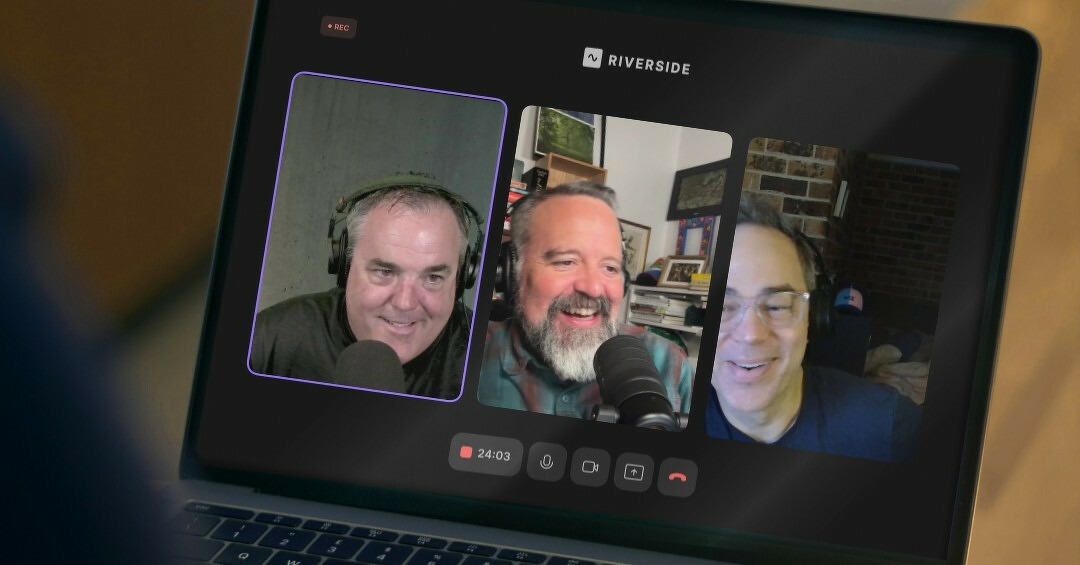
Check out the live reacording of this week’s Software Defined Talk. Final episode posted tomorrow, on Friday if you prefer traditional podcast.
Art Degrees, Sun Microsystems, and How Kubernetes Scales Contributions, with Josh Berkus - Software Defined Interviews #121
Our interview for this week is up, it’s with Josh Berkus:
Whitney and Coté discuss with Josh Berkus (Red Hat, Kubernetes contributor) how liberal and fine arts degrees (philosophy, photography, sculpture, pottery) apply to tech careers. Berkus details how early hardware experience influenced his database performance work, noting hardware’s renewed relevance with AI and multi-arch computing. The conversation covers Sun Microsystems’ 1990s internet role, internal politics, and its MySQL/Postgres strategy.
You Can Feel It Coming - Software Defined Talk
This week, we discuss personal AI hype cycles, bottoms-up adoption, and “The Modern Stack” simplifying cloud. Plus, thoughts on new cars and the dogs that ride in them.
See the traditional podcast listing for links and more.
Progressive Delivery, with Heidi Waterhouse - Software Defined Interviews
See the traditional podcast version for more and Heidi links.
Go cheap on innovation. Otherwise you just buy PowerPoints. Jana Werner on using tight timelines and small teams to force real progress.
AI, open source, talent, and more, live at cfgmgmtcamp 2026, with Andrew Clay Shafer
Spotting talent, getting innovation adoption and driving use, open source, AI, and developing taste - those are the major topics Andrew and I discussed this week at a live recording. Also, a framework for creating the perfect burger.
This week’s Software Defined Talk: This week, we discuss the end of Cloud 1.0, AI agents fixing old apps, and Chainguard vs. Docker images. Plus, the mystery of Dutch broth is finally solved.
I recommend the traditional podcast format.
This week’s Software Defined Interviews: we talk with Nathen Harvey, who leads the DORA research program at Google Cloud. They talk about what 15 years of DevOps and delivery data actually says about AI. The answer feels something like “it makes you even better at what you’re already good at.” High-performing teams get better, while struggling teams just move faster into bottlenecks. The talk about AI-assisted software development, why throughput is rising while stability drops, how culture still beats tools, and why “user-centric” work remains stubbornly hard despite being obvious.
There’s also the traditional podcast version.