Author: Coté
-
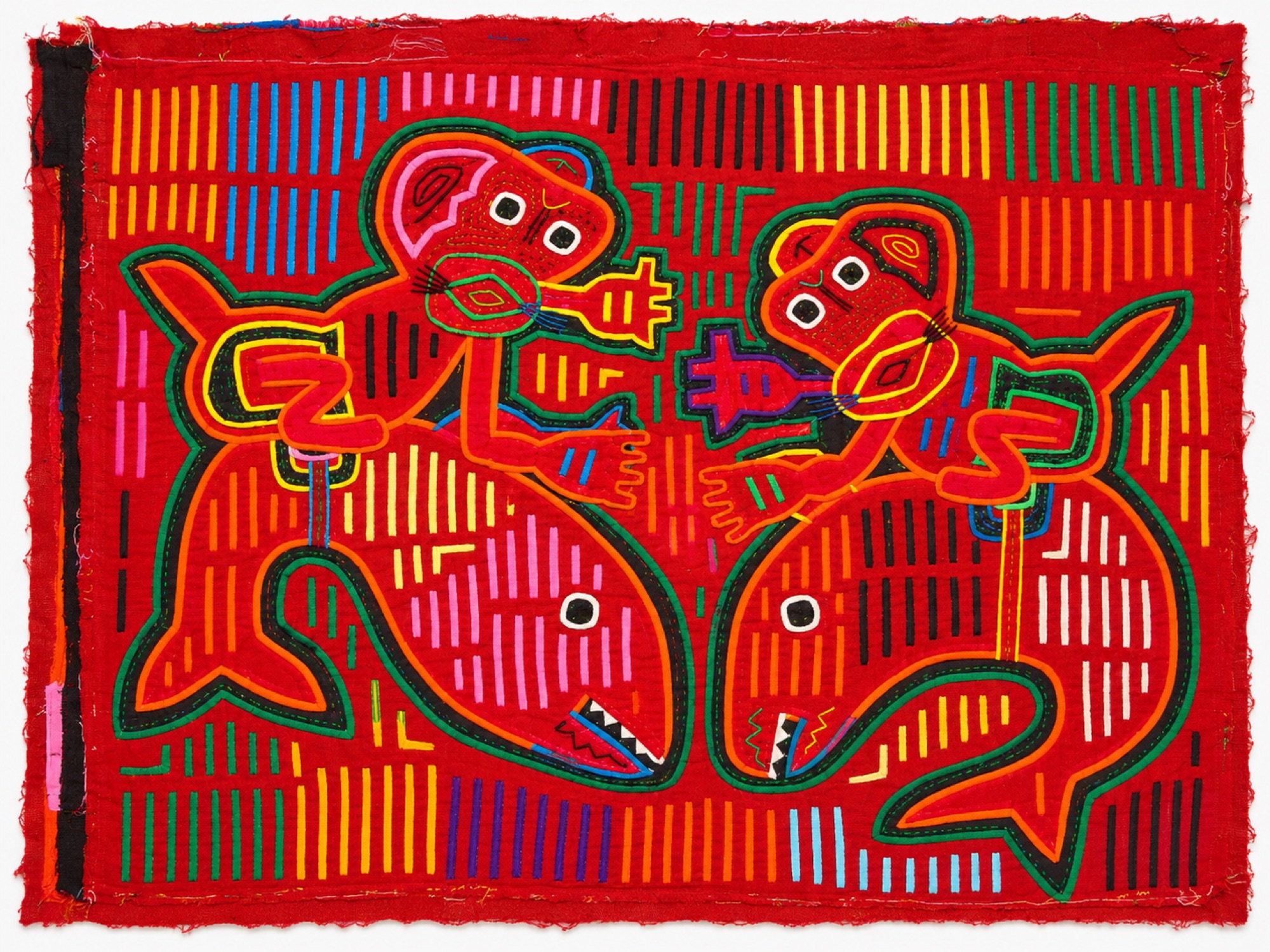
Connecting the Extension Cord Underwater
From the family mola collection. Old pictures salvaged by AI.
-
Fantasy books as a tool to be more nature empathetic
There is a danger associated with growing up, of putting aside children’s books. We must be careful lest all we are left with is a world that is very much not alive, a natural world that is mere piles of stuff – stuff that people can use or not use, preserve or destroy, just as…
-
This week’s AI market math
“Enterprise and consumer AI revenue will be insufficient to support profitable returns on all planned AI capital expenditures during this period,” said Gartner Senior Director Analyst Will Sommer. AI data center owners would need to generate $8.5 trillion in revenue through 2030 to cover announced capital spending, financing costs and expected investment returns, he said.…
-
There is no “last mile” – Enterprise governance and complexity slows down AI coding
Also, maybe the last mile is not the last mile, it’s more like mid-way through. Perhaps there is more of a “first mile” problem: it goes so well, you think you’re almost done. And so they decided to build the solution internally, forming a team, hiring new talent, and giving them access to the AI…
-
Maybe rouge AI just needs better security practices from humans
According to the cybersecurity professionals CSO spoke with, one of the biggest cybersecurity failures by the frontier AI labs is the lack of implementation of tried-and-true containment practices that stretch back to the 1990s, such as setting up secure sandboxes that would effectively bar agents from escaping their test environments. These are things that we’ve…
-
Unrealized potential in normie AI use
What is the diffusion gap? It’s the delta between what you can accomplish with models (ie how powerful they are) and how the average person uses models. 🔗 Unrealized potential in normie AI use Related, from the ponders at Anthropic:
-
Humans are the bottleneck
Human attention is the binding constraint. About 80% of interactive agent session time is spent idle, waiting for a person. Reading all of the output from interactive sessions would take more than half the work week even for non-technical staff. One engineer compared it to babysitting, with every agent demanding attention at the same urgency.…
-
AI speeds up modernization projects by speeding up up-front analysis time
Using AI code stuff to remove bottlenecks to getting modernization projects going. UK government pilots cut legacy-system discovery from weeks to hours – five weeks to under a day for 33 Clojure apps, 15 days of manual regression testing to 30 minutes – and the real gain is that modernization work nobody could justify starting…
-
AI is good at finding security vulnerabilities, not great at fixing them
Bank of America recruited an additional 1,000 contractors to help patch all the vulnerabilities discovered by Anthropic’s Mythos model, the CEO said on Wednesday. Brian Moynihan, chairman and CEO at BoA, said during the company’s Q3 earnings call that it spent “a couple of hundred million plus” in remediation costs related to Mythos, and the…
-
Sovereign cloud difficult in EUUK
Geopolitical implications and polarisation are very much in people’s minds (inside and outside work). There is no avoiding discussions about the risks of relying on US inference providers, and the insularity of Europe regarding ownership of both core infrastructure and skilled resources is excruciatingly obvious to everyone even as they try to keep the business…
-
One fix for elusive enterprise ROI: don’t measure it
“I am just very reluctant to spend a lot of energy quantifying it because it winds up wasting a lot of people’s time inside the institution when we actually need to get them to focus on doing things… as much as important and dramatic and exciting as this theme is, it takes a long time…
-
J.P. Morgan’s Patchmageddon: Time-to-Exploit Hits Zero Days While Time-to-Patch Nears 100, 18 Million Packages Have One Maintainer, and Only 75 of 530 High-Severity Mythos Findings Got Fixed
The time between a vulnerability’s disclosure and its first exploitation has fallen to zero days while the average organization’s time to patch has risen toward 100, and frontier models that find bugs at scale push both lines the wrong way. The exposed flank is open source: 18 million packages with one maintainer, a two-week patch…





You must be logged in to post a comment.