Year: 2021
-

Lock-in is usually a weird conversation – Coté’s Commonplace Book – Issue #57
A little bit on lock-in, some app modernization links, and an online holiday party for you to chill out. The Land of Cockaigne, Bruegel Lock-in One of the most frequent objections/benefits/discussion points in software is the idea of “lock-in.” This usually means “if I pay someone for something, I’m using something only they have, and…
-

Coté’s Commonplace Book – Issue #56
What does “multi-cloud” mean? There are multi-definitions. Har har. Also, securing cloud applications and custom software in state and local governments. Also: kubernetes is not for developers…? Approaching Rain, Southwest Texas, 1922 Julian Onderdonk The many meanings of “multi-cloud.” (Well, two at last.) I really like the recent O’Reilly cloud survey. There’s a lot going…
-

Coté’s Commonplace Book – Issue #55
Original content DevOps Metrics for Technical, Business and Culture Transformation This is the talk I gave at VMworld this year. It goes over three types of metrics to use in all your digital transformation, get better with software stuff. While I don’t list very actionable (yeah! check out that work use!) metrics for culture, I…
-

Coté’s Commonplace Book – Issue #54
Developers don’t actually want to change the batteries. Bruegel Original content Software Defined Talk #328: Your MOM is a SaaS This week we discuss HashiCorp’s S1, AWS Earnings and highlights from Microsoft Ignite. Plus, Coté teaches us a new Dutch phrase. A Shift in Mindset it Critical The missing parts of scaling up DevOps are…
-
Coté’s Commonplace Book – Issue #53
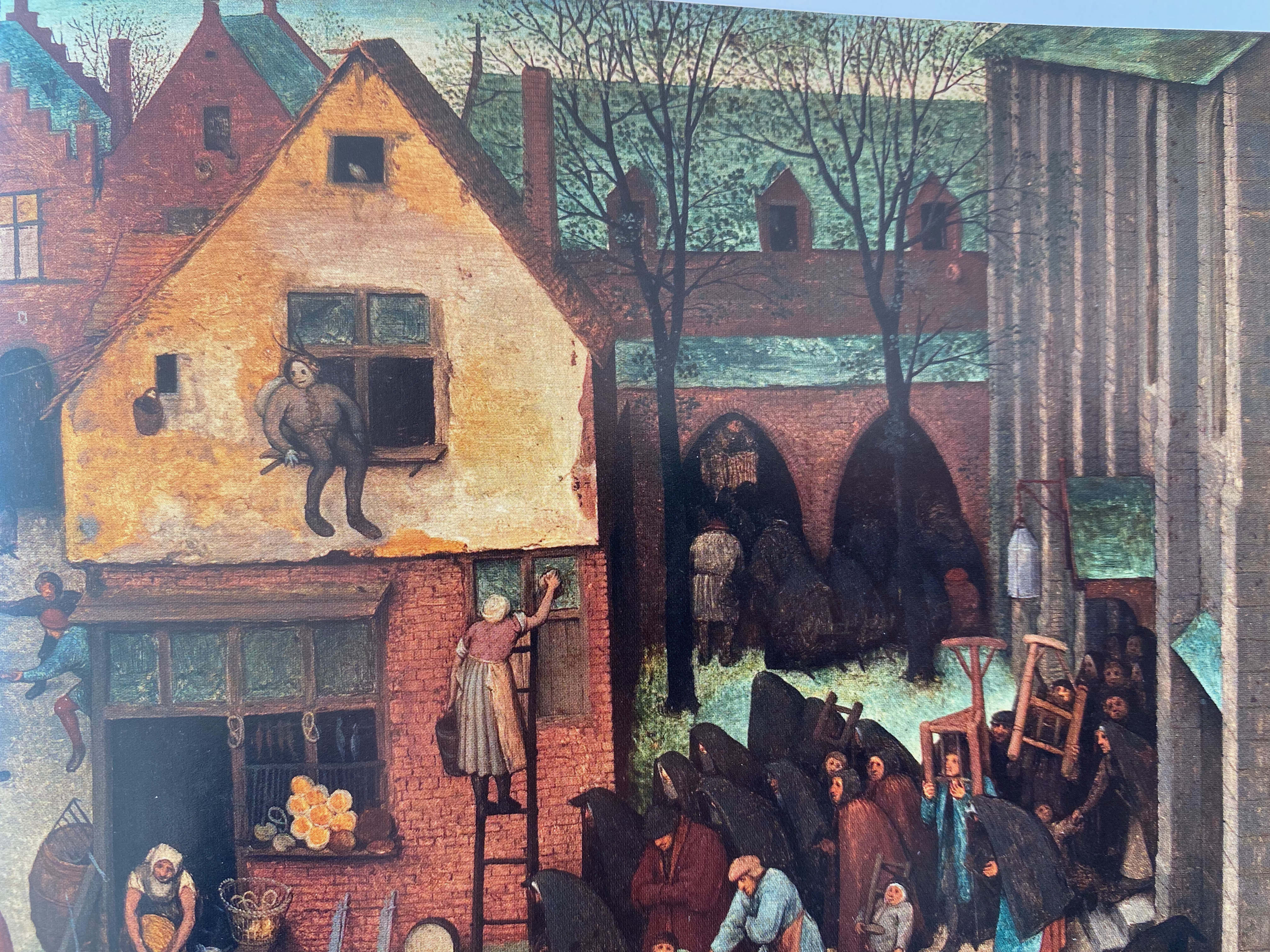
Excuses to keep doing exactly the same thing, if not even less. From The Fight Between Carnival and Lent. Original content Software Defined Talk Episode #326: Just Jump In — www.softwaredefinedtalk.com This week we recap Datadog’s announcements, discuss Sequoia’s investment pivot and hot takes on Facebook’s intent to rebrand. Plus, some thoughts on heated pools……
-

The #legacytrap kills flexibility – Coté’s Commonplace Book – Issue #52
Another take at writing up why app modernization is important for business, and the usual links to stuff and my recent podcasts, etc. Smuggling in Modernization I’m working on a project I call the #legacytrap. Trying to explain to executives (CIOs and non-IT executives) how important it is to modernize your old stacks of IT,…
-

Coté’s Commonplace Book – Issue #51
Lots of original content this week, and unstructured tips on moderating a panel. Since it’s been two weeks, a passel of links too. We fear change This is a the first new talk I’ve done in awhile. It came out alright – I could do a lot more commentary on the existing organization change models,…
-

Coté’s Commonplace Book – Issue #50
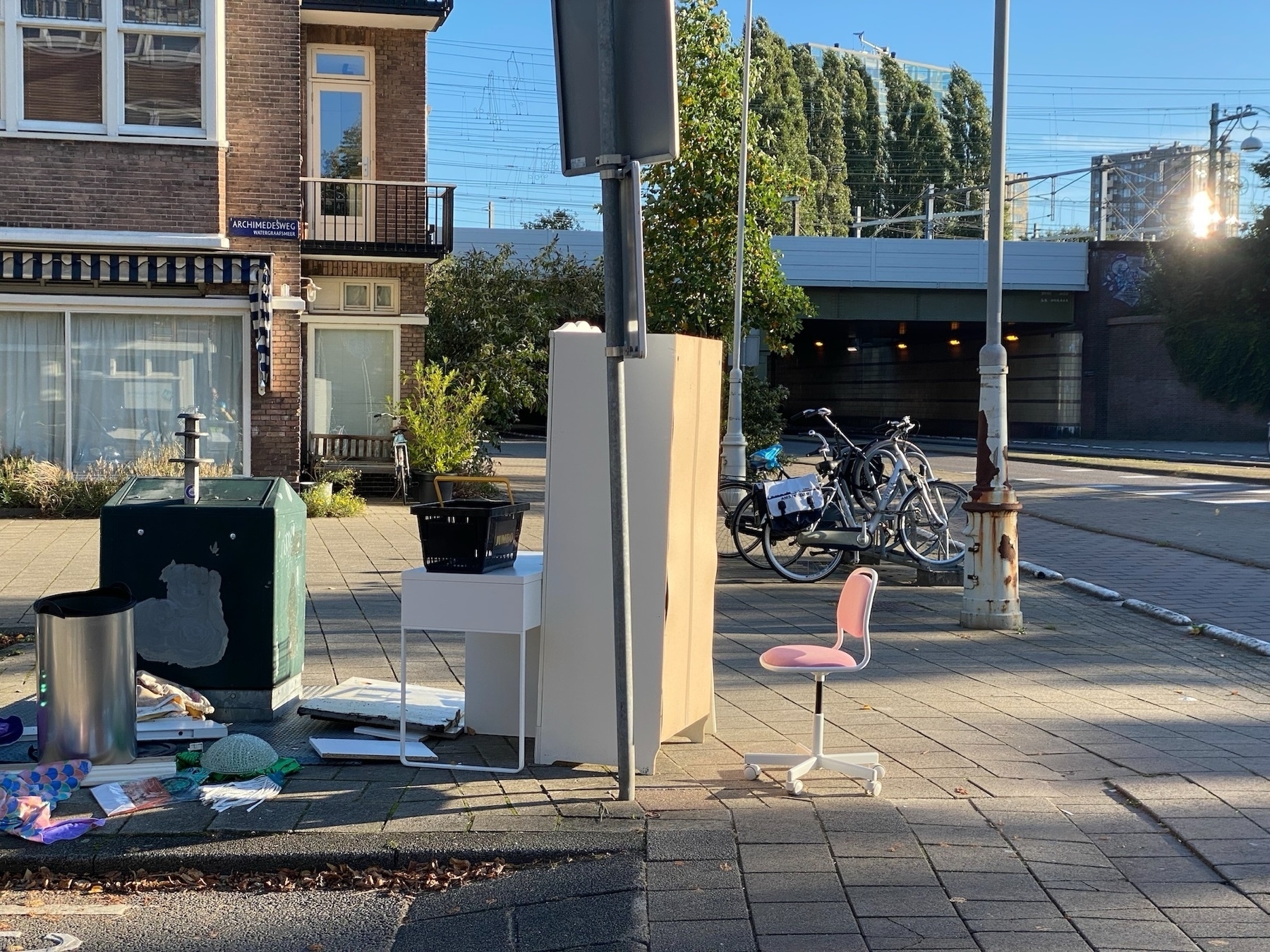
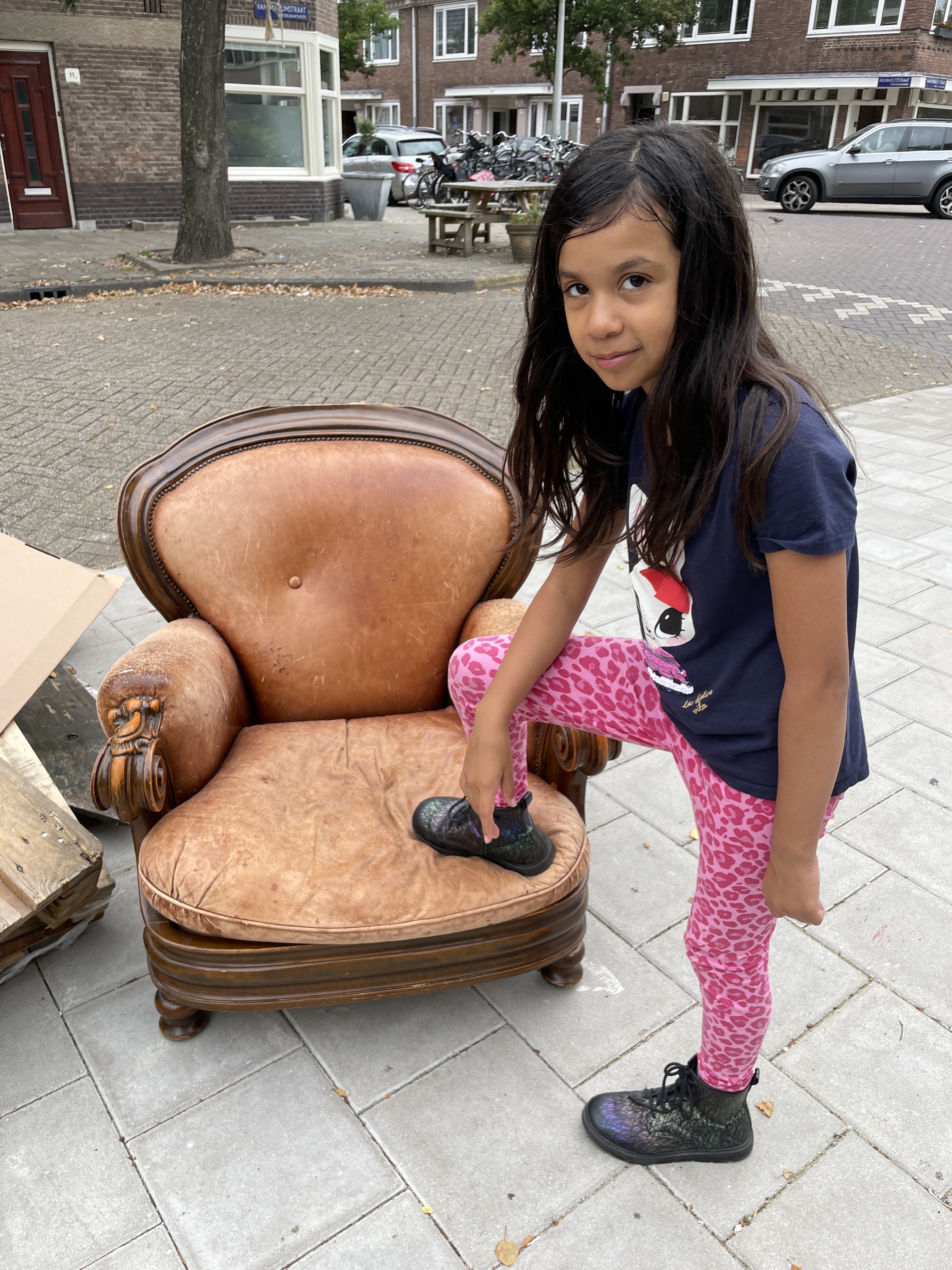
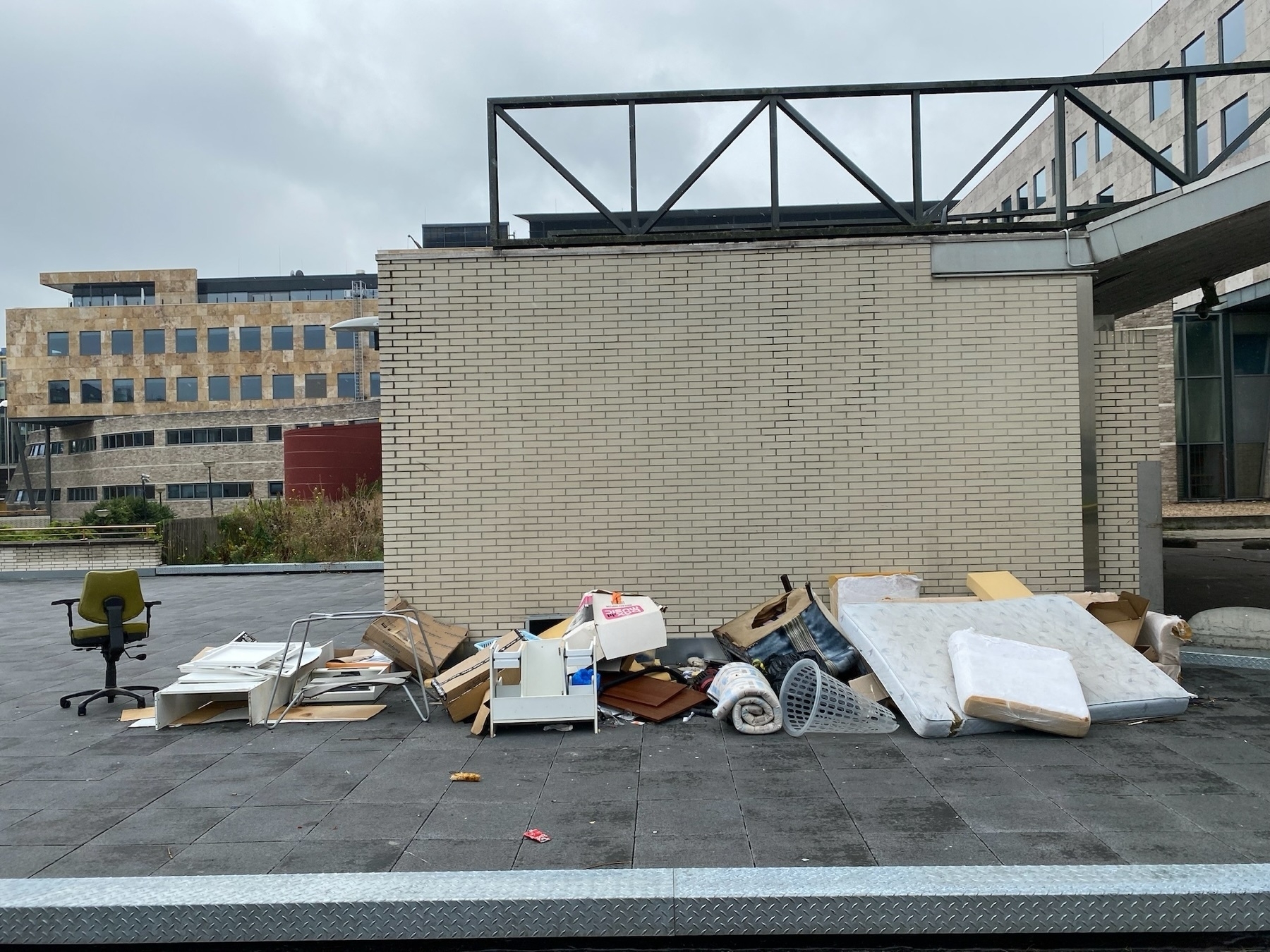
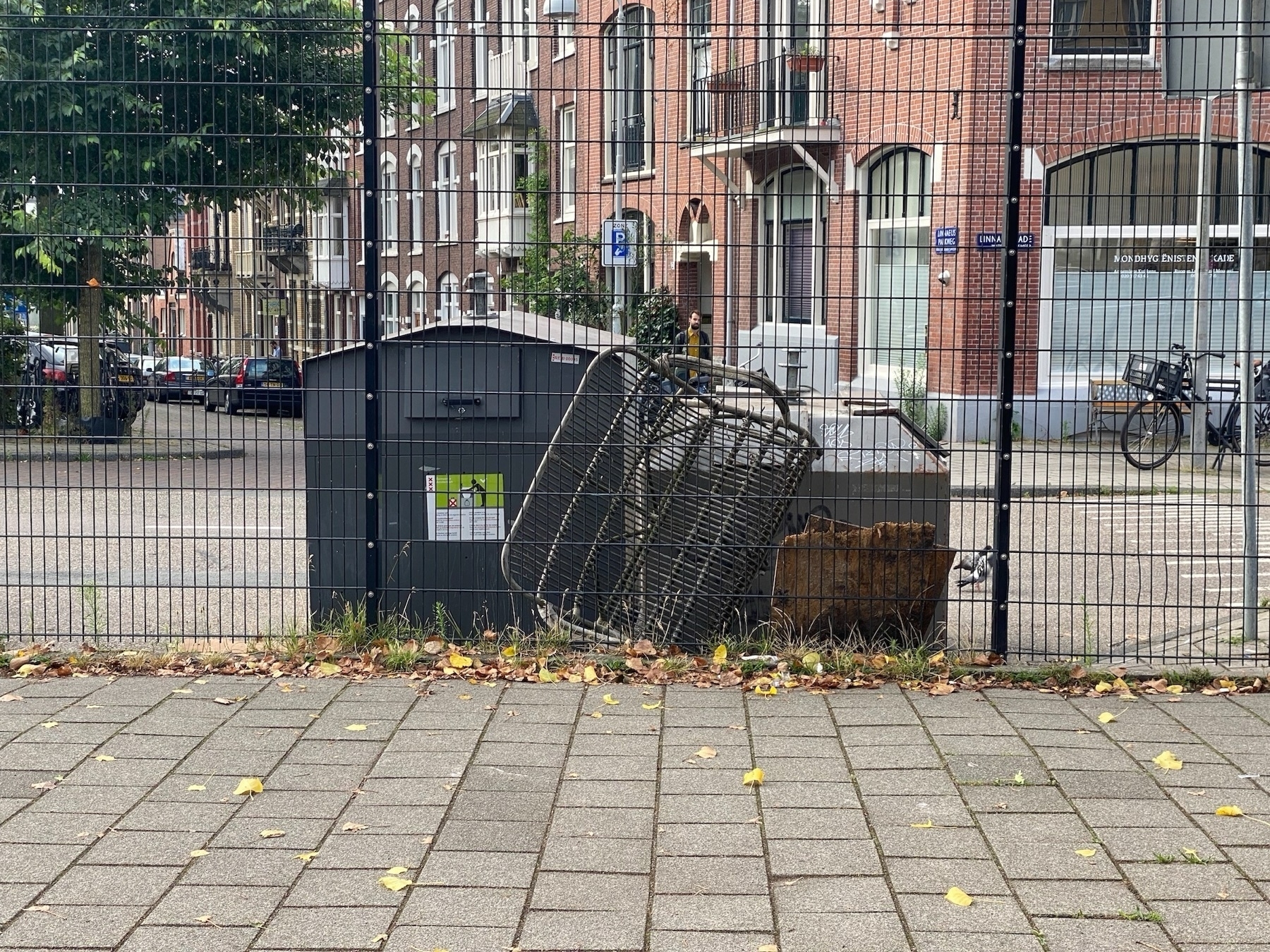
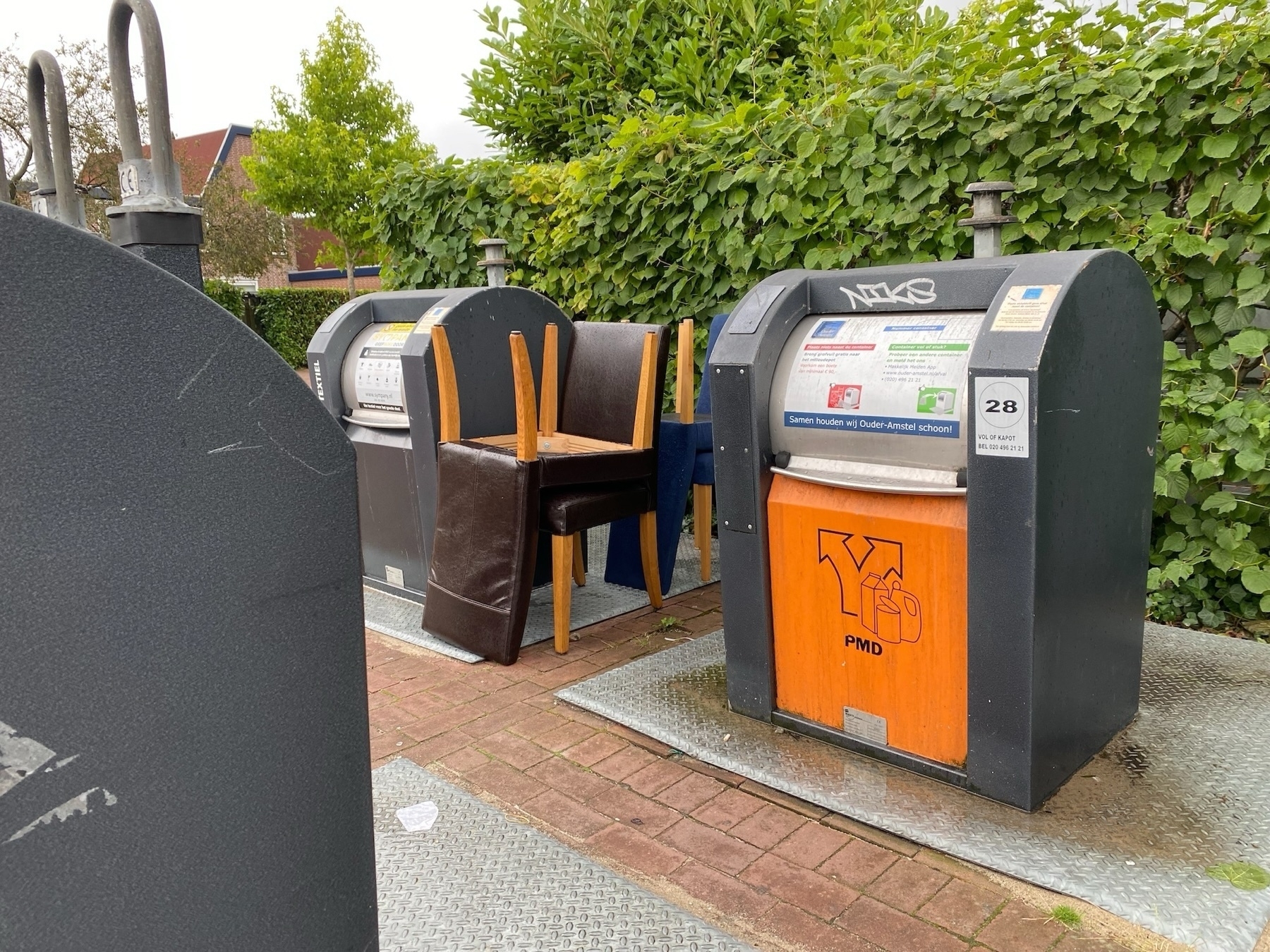
Nothing profound this time. Garbage Chairs of Amsterdam Free DevOps conference, DevOps Loop, Oct 4th Promotional gif A conference I helped put together, DevOps Loop, is next week. I’m putting together my presentation “fear of change.” So far, I’m playing around with the notion of going over fear of change in more literary sources. There’s…
-

Be less reliable – Coté’s Commonplace Book – Issue #49
How I find time to make thumbnails for my enterprise videos. Sorry, I flaked The most operational self-help tactic I’ve learned in years is: get comfortably flaking out on things. Missing meetings, being late delivering things, being unreliable, skipping studying Dutch today (and tomorrow)…just failing at living up to your full potential. This thinking works…
-

Coté’s Commonplace Book – Issue #48
How was your week? A free conference I helped make: DevOps Loop, Oct 4th Next month is DevOps Loop. It’s a conference I’ve been helping out together and it has an outstanding talk list. I’ve worked closely with several speakers to curate talks on things I’m interested in and that they’re excited about. Register and…
-
Coté’s Commonplace Book – Issue #47
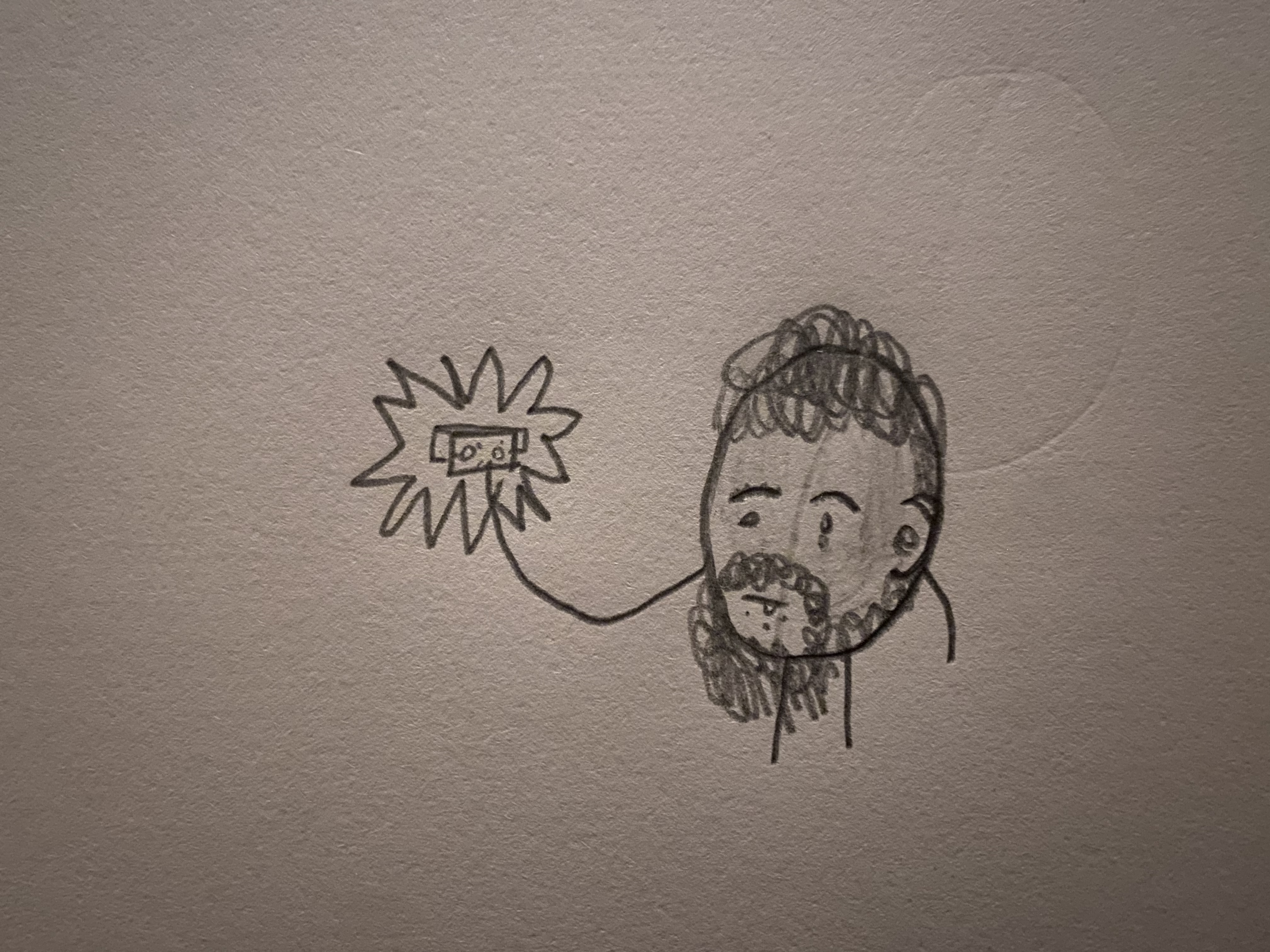
The newsletter is back, for now. This is actually issue #156, but who’s really counting? Your author, as drawn by daughter. New book, free Since sending out this newsletter I’ve published another book, which you can get for free: Many organizations are toiling away at their application modernization strategy. Most have created enclaves of digital…




You must be logged in to post a comment.